Field note · Startup Talk · Maribor
What I took from John Denhof's Startup Talk
I left the conversation thinking about how teams share information, set measurable goals, and lead people through complex problems.
The problem starts when nobody sees the whole picture
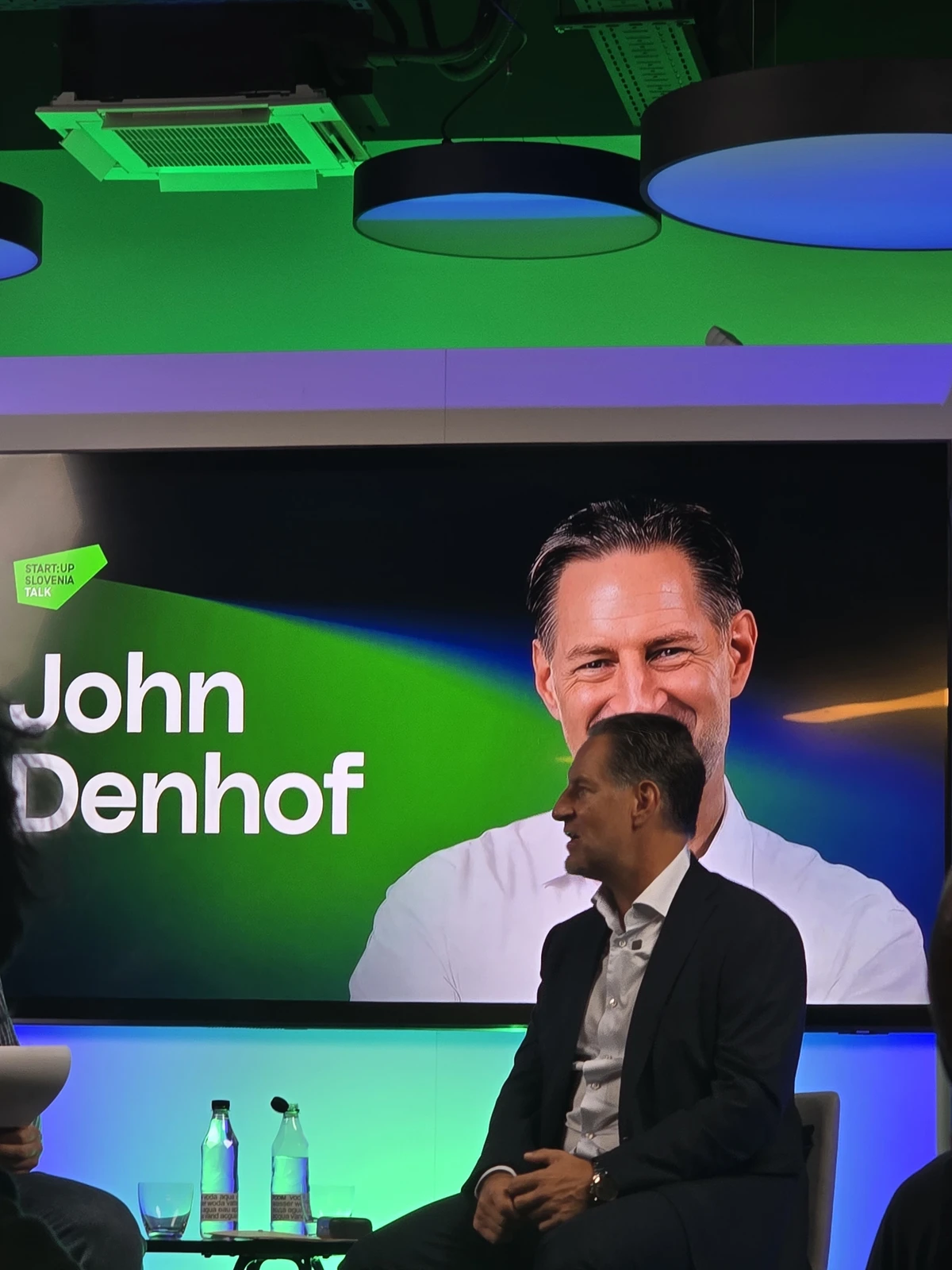
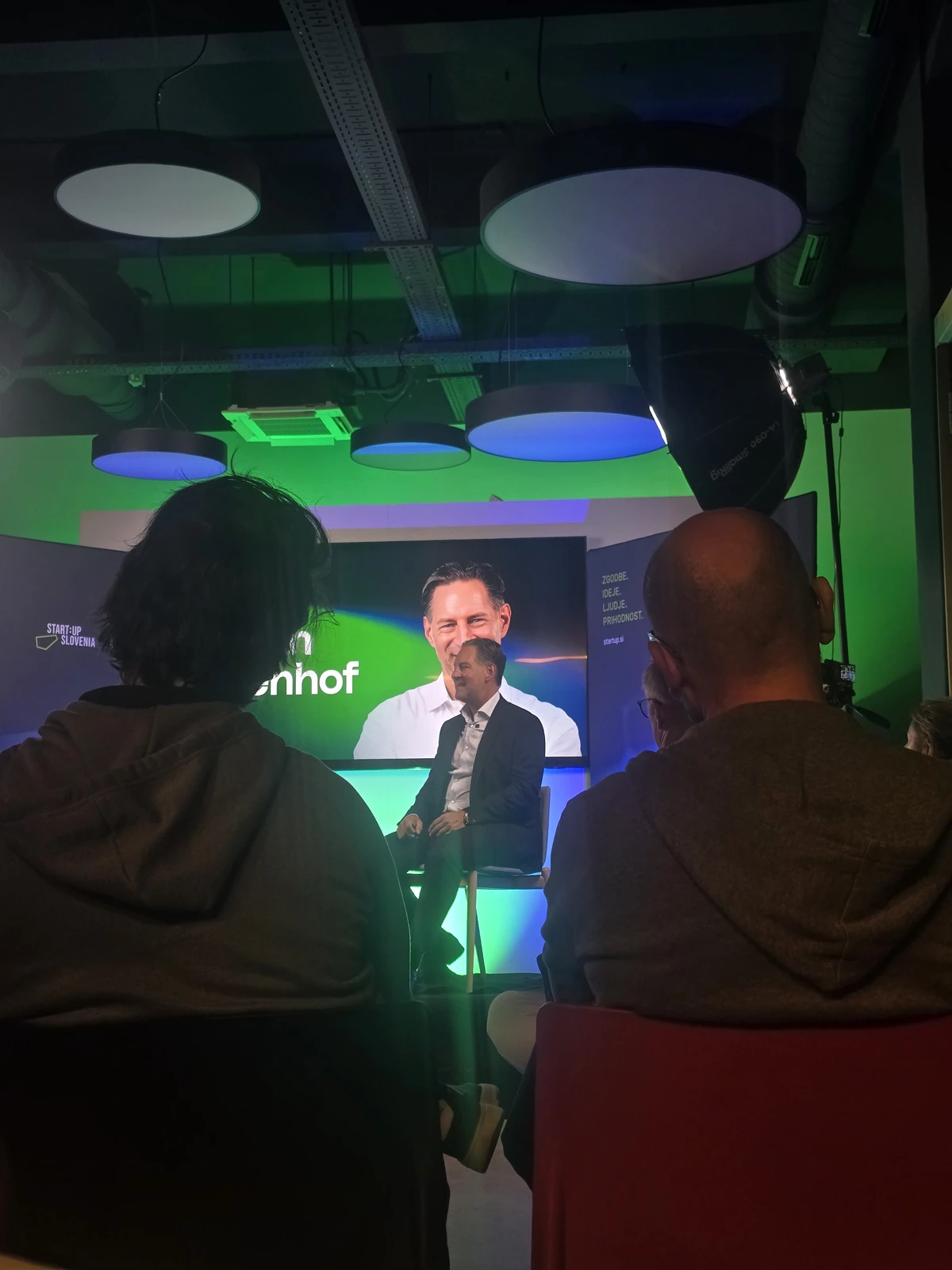
I attended the Startup Talk with John Denhof, former chief executive of OTP Bank Slovenia, on 1 October. Of the many topics in the conversation, the importance of information stayed with me most: transparency, the frequency of communication, and getting the right information to the right people at the right time.
When something goes wrong, each team can see a different part of it. Engineering sees the system, sales sees the customer, and management sees the wider plan. None of those views is complete on its own. If the people involved do not compare what they know, the discussion can shift towards blame before anyone has found the actual cause.
I would rather bring those views together, make the unknowns explicit, and agree on the next step. That is as relevant to a small technical team as it is to a much larger organization.
A goal needs a measure
The conversation also made me think about planning across different time horizons: what I need to do today, this week, this year, and where I want to be several years from now. Those horizons only help if I can check whether the work is moving in the intended direction.
A goal without a measure can become a wish. A useful plan should be realistic, neither deliberately easy nor built on the most optimistic scenario, and open to regular checks against evidence.
“Slightly ahead of plan is a good place to be.”
That line from my notes captures the balance I took from the talk: ambition matters, but a plan has to survive contact with real results.
Leading people is more than solving technical problems
From a technical background, it is easy to assume that a leader must know the most technology, have the best answer, and solve every problem personally. I took away a different responsibility: communicate clearly, set a direction, listen, and create an environment where people can bring possible solutions as well as problems.
I also keep coming back to potential. Current knowledge can grow. Mindset, communication, and the way someone works with others are harder to build. That is why I would look beyond a candidate's present skill list when building a team.
What I will take into my own work
- Before diagnosing a cross-team problem, I will ask which perspective and which information is missing.
- Before committing to a goal, I will define how I can measure progress and when I will review it.
- When a discussion stalls in analysis, I will make the next decision and its owner explicit.
- When leading technical work, I will leave room for other people to propose solutions and develop their potential.
Good information supports good decisions. Measurable goals keep a plan honest. Both depend on people who can communicate and act together.
Event source and evidence boundary
The public event listing confirms the speaker, date, and venue. The takeaways and photographs are my first-person record of attending the conversation.